As Told by Steelhead Sam
Folks ask me about the Wild Rogue all the time.
Usually starts the same way.
“How hard is it?”
“Is it worth it?”
“Is it really as wild as they say?”
I usually smile, take a second, and look back at the river before I answer. Because the truth is, the Wild Rogue doesn’t care much what you’ve heard. It’s been doing its thing a long time before any of us showed up with rods and dry bags.
If you’re looking for easy, there are other rivers.
If you’re looking for numbers, there are other stretches.
But if you want to understand what the Rogue used to be — and why some of us still talk about it the way we do — then you need to know this place.
What “Wild & Scenic” Means — The Real Way
First thing we need to clear up: when people say “the Wild Rogue,” they usually mean one specific stretch, not the whole designation.
The Rogue River has 124 miles protected under the National Wild and Scenic Rivers Act. That runs from near the mouth of the Applegate River clear down toward Agness. Scenic water. Recreational water. All protected in their own way.
But the stretch that built the reputation — the one that gets under your skin — is the Wild Section.
The Wild Section
Grave Creek to Foster Bar — about 34 miles
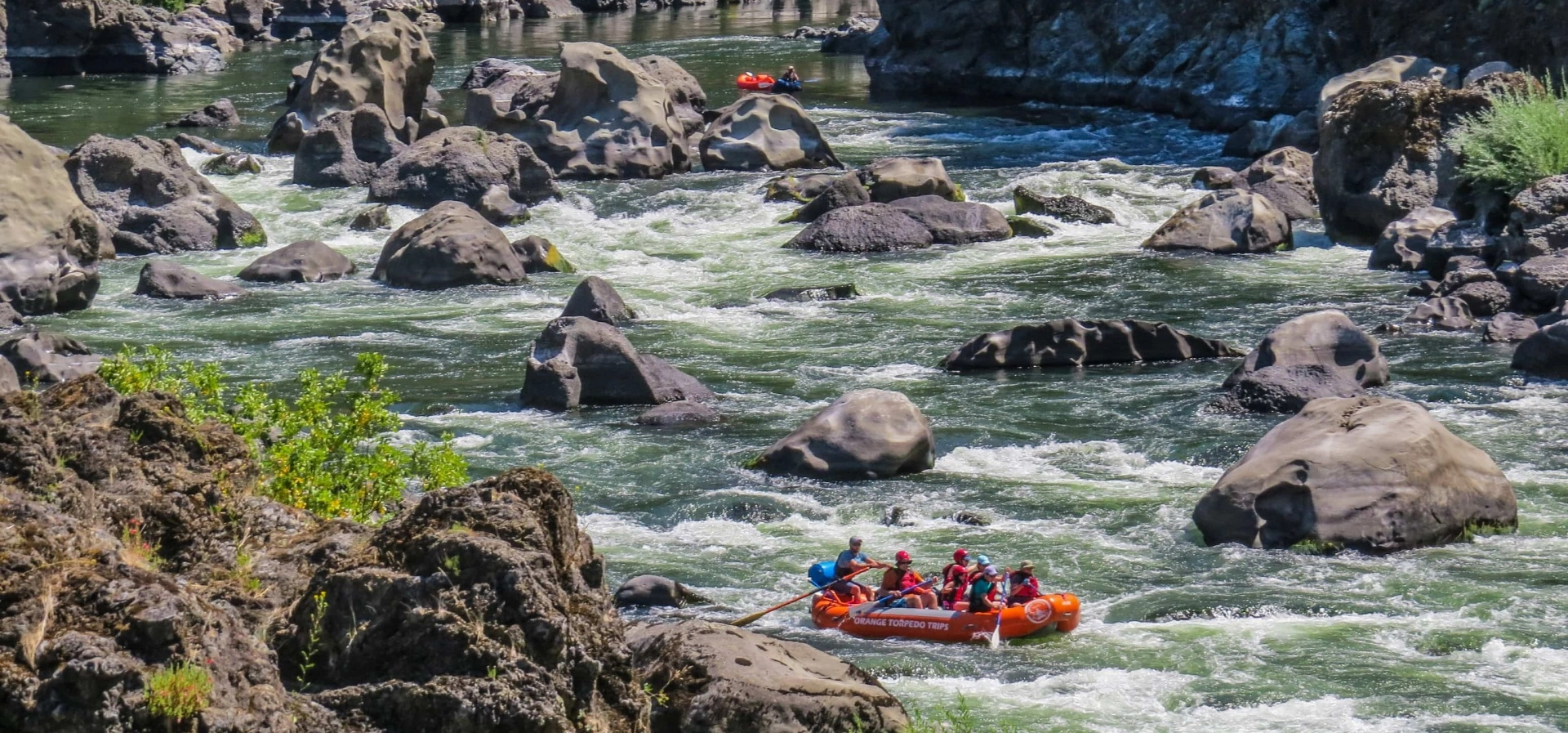
This is the canyon.
Once you launch at Grave Creek, you’re committed. No roads. No bridges. No pulling out early because you forgot something. The river cuts straight into steep country, and it doesn’t let go until you reach Foster Bar near Agness.
That 34-mile run is:
-
Completely roadless
-
Float-only (unless you’re hiking the Rogue River Trail)
-
Managed under a permit system
-
Camped only at designated sites
There’s one place folks always ask about — Marial. It sits about halfway through the canyon, and yes, there’s a rough mountain road that reaches the lodge from way up high. But it’s not a river road, and it doesn’t change the fact that once you’re in the canyon, you’re on the river’s schedule, not yours.
That’s what makes it wild.
How This Place Stayed the Way It Is
The Wild Rogue wasn’t saved by accident. It was saved because it was hard.
The canyon walls are steep. The ground doesn’t cooperate. Roads never made much sense here, and that difficulty kept the place from being carved up before anyone realized what they had.
Miners tried. Some stayed. Most didn’t.
Homesteaders scratched out a living where they could.
River runners learned to respect mistakes.
You’ll still see signs of them if you look:
-
Old mining scars
-
Cabin remains
-
Trails worn thin by time
-
A cemetery or two tucked above the flood line
The Wild & Scenic designation didn’t turn this into wilderness.
It just made sure nobody finished the job of undoing it.
What It Feels Like Out There
People expect big words for the Wild Rogue — dramatic, breathtaking, untouched.
All that’s true. But it’s not what sticks with you.
What sticks is the quiet.
No traffic.
No generators.
No glow on the horizon.
Mornings start cold, even in summer. Canyon walls hold the night air, and the river breathes it back at you. Coffee tastes better out there — not because it’s special coffee, but because you earned the morning.
By day two or three, folks stop checking watches. The river tells you when it’s time to move. When it’s time to fish. When it’s time to sit still.
That’s the Wild Rogue’s first lesson:
Slow down or get left behind.
Fishing the Wild Rogue (Don’t Rush This Part)
I’ve seen plenty of good anglers come into the canyon thinking they’re going to light it up.
Most of them leave quieter than they arrived.
The Wild Rogue isn’t a numbers river. It never has been. What it offers instead is honest fishing.
Runs are classic. Deep. Obvious. The kind of water that looks fishy because it is. But those fish aren’t pushovers, and they haven’t been conditioned by crowds.
You earn your chances here.
The Fish That Matter
-
Summer Steelhead
Strong, selective, and stubborn. They hold deep and don’t move far. When one eats, it’s because you did something right. -
Half-Pounder Steelhead
This is Rogue River royalty. Immature steelhead that return early, aggressive and willing. If you know the Rogue and you don’t mention half-pounders, you’re missing the point. -
Fall Chinook Salmon
Big fish. Heavy fish. By the time they’re in the canyon, many have colored up — bronze, dark, serious. Hooking one down there is something you remember. -
Resident Trout
They’re around, but let’s be honest — most folks are here for the migratory fish.
Why These Fish Feel Different
Fish in the Wild Rogue don’t see much pressure. They don’t see the same fly ten times a day. They live in stable water with natural temperature swings and deep holding lies.
They aren’t educated.
They’re experienced.
When they eat, it’s deliberate. When they move, it’s for a reason. There’s no wasted energy — from them or the river.
That’s why one good grab in the canyon can feel better than a dozen anywhere else.
Access, Permits, and Respect
The Wild Rogue is managed jointly by the BLM and the U.S. Forest Service, and during the regulated season — May 15 through October 15 — you’ll need a permit to float it.
Some folks grumble about that.
I don’t.
Those permits are the reason you can still hear the river at night. They’re why camps aren’t trashed. Why fish still act like fish.
Out there, you:
-
Camp where you’re told
-
Pack out what you bring in
-
Watch your fires
-
Leave it better than you found it
That’s not red tape.
That’s stewardship.
Seasons in the Canyon
Spring
High water. Big moves. Rafts rule the day. Fishing takes a back seat to navigation and watching the canyon wake up.
Summer
Steelhead season. Hot afternoons, cold swims, long evenings. This is when most people fall in love with the place.
Fall
My favorite. Fewer people. Chinook in the system. Mornings that make you zip your jacket. Light that sticks with you.
Winter
Rare trips. Serious conditions. Real solitude. You don’t go in winter unless you know why you’re going.
Camps You Don’t Forget
Nobody remembers camp numbers.
They remember moments.
The night the stars felt too close.
The fog that didn’t lift until noon.
The fish that rolled below camp right at dark.
Camps on the Wild Rogue aren’t destinations. They’re pauses — places where the river lets you rest before reminding you who’s in charge.
Why This Stretch Still Matters
There aren’t many places left like this.
Places where access is limited on purpose. Where effort still counts. Where the river hasn’t been optimized, simplified, or packaged.
The Wild Rogue survived because people decided not to make it easier.
And every time you push off from Grave Creek, you’re stepping into that decision.
The Last Thing I’ll Say About It
The Wild Rogue doesn’t promise you fish.
It doesn’t promise comfort.
It doesn’t promise success.
What it offers is something better:
an honest river, exactly as it is.
If that sounds like something you’re ready for, the canyon will be waiting.
— Steelhead Sam