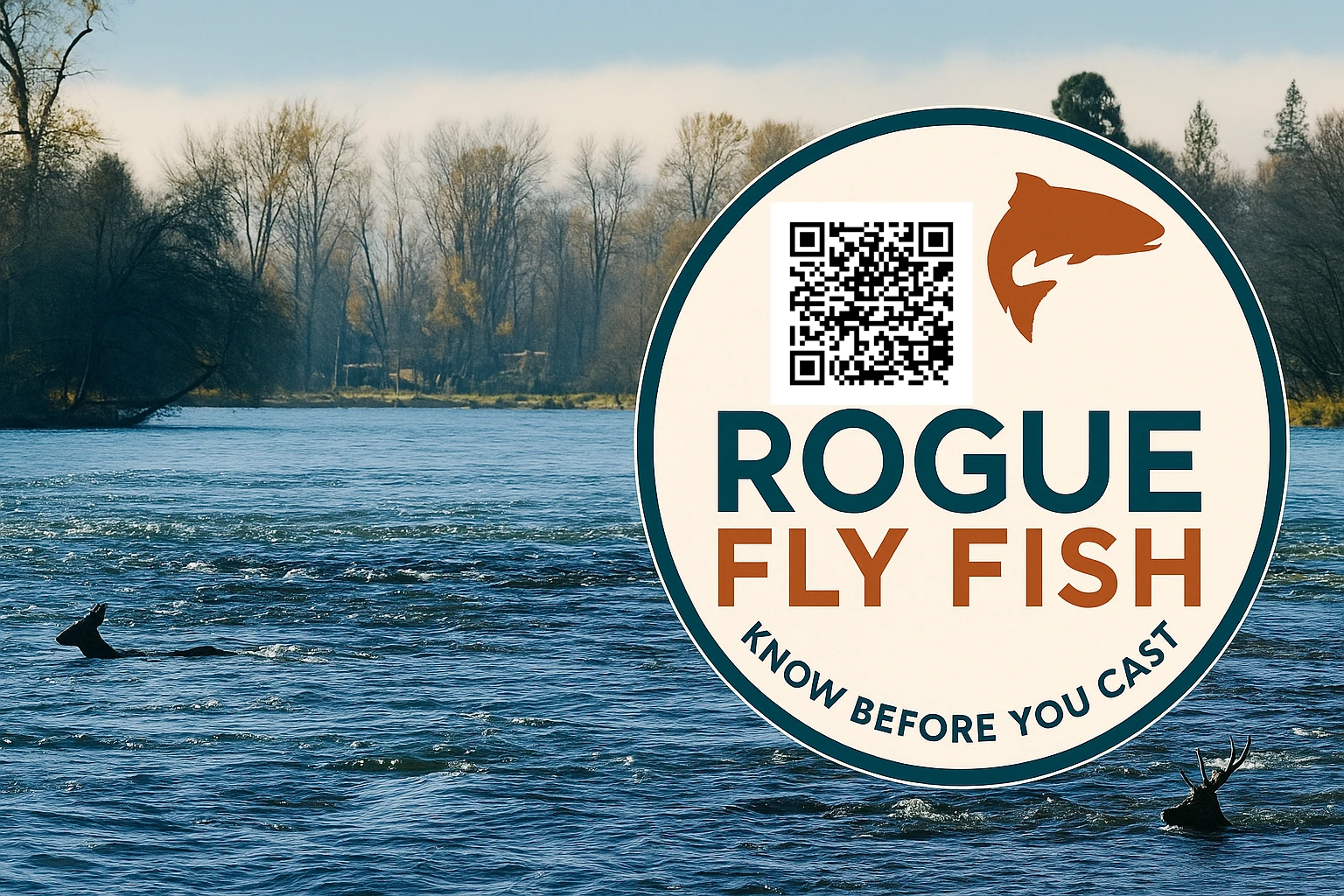
The Rogue River, one of the most cherished rivers in Southern Oregon, is renowned for its stunning scenery and robust fish populations, especially salmon and steelhead. Spanning over 200 miles, the river serves as a migratory corridor for several fish species, including Chinook and coho salmon, as well as steelhead trout. These fish are not only vital for the ecosystem, but they are also important for local culture and economies, providing recreational opportunities and sustaining Indigenous traditions.
The river's ecology has been significantly shaped by historical and modern human activities, particularly the construction of dams for hydropower and flood control. Dams such as the Lost Creek Dam have altered natural water flows, impacting fish spawning habitats and migratory patterns. However, conservation efforts have been increasingly prioritized in recent years, focusing on restoring habitats, improving fish passage, and supporting sustainable fisheries management. The ongoing collaboration of federal agencies, local organizations, and community members aims to ensure that the Rogue River continues to thrive as a habitat for these vital fish species.
In addition to its ecological significance, the Rogue River has a rich history that reflects its importance to the Indigenous peoples of the region. For thousands of years, the river has provided sustenance and served as a cultural touchstone for tribes such as the Confederated Tribes of the Grande Ronde Community and the Rogue River-Siskiyou National Forest. The legacy of these communities, intertwined with the river’s bounty, reminds us of the need for responsible stewardship as we navigate the challenges of modern development.
Currently, recreational fishing for salmon and steelhead attracts anglers from across the nation, further emphasizing the river's role in the local economy. Guided fishing tours, rafting, and eco-tours have gained popularity, making the Rogue River not only a natural treasure but also a significant economic engine for Southern Oregon. Sustainable practices in these recreational activities ensure that the river and its fish populations remain healthy for future generations.
As we look to the future, the preservation of the Rogue River’s ecosystems and the viability of its fish populations will greatly depend on community engagement, effective management practices, and recognition of the river's cultural heritage. With ongoing efforts to balance conservation with recreation and development, the Rogue River is poised to remain a vital ecosystem and a beloved destination in Southern Oregon.