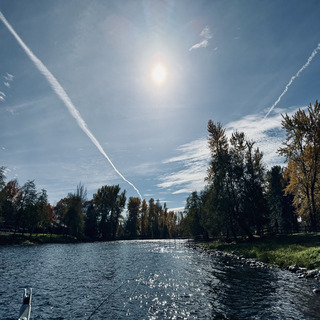
The Rogue River, flowing through the stunning landscapes of Southern Oregon, is renowned for its vibrant ecology, particularly its populations of salmon and steelhead. This river is not only a picturesque destination for outdoor enthusiasts but also serves as a critical habitat for these fish species, which have been integral to the region's culture and economy for centuries. The Rogue River is one of the last major rivers in the contiguous United States that supports a wild population of Chinook salmon and steelhead, making it a vital sanctuary for these iconic fish.
The history of the Rogue River is deeply intertwined with the indigenous tribes who have lived along its banks for thousands of years. The native peoples relied on the river's abundant fish populations for sustenance and cultural practices. However, the introduction of dams and other human activities in the 20th century significantly impacted these fish populations, threatening their survival. Dams constructed for hydroelectric power and irrigation disrupted the natural flow of the river, altering the habitats essential for spawning and migration.
Efforts have been made to restore the Rogue River's ecology and the health of its salmon and steelhead populations. Organizations and local governments have worked together to remove some of the barriers created by dams, allowing fish to access their traditional spawning grounds. These restoration projects not only benefit the fish but also enhance the overall health of the river ecosystem, promoting biodiversity and improving water quality.
Today, the Rogue River is celebrated not only for its breathtaking scenery and recreational opportunities, such as fishing, rafting, and hiking, but also for its role as a sanctuary for salmon and steelhead. Anglers flock to the river, drawn by the chance to catch these prized fish, while conservationists continue to advocate for sustainable practices that protect the river's delicate ecology. The Rogue River stands as a testament to the resilience of nature and the ongoing efforts to preserve it for future generations.