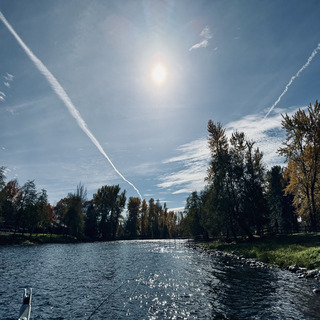
The Rogue River, a prominent waterway in Southern Oregon, is renowned for its stunning landscapes and rich ecological diversity. Spanning approximately 215 miles, it flows from the Cascade Mountains to the Pacific Ocean, providing vital habitat for a variety of wildlife, particularly salmon and steelhead. The river's unique geography and climate create ideal conditions for these fish, which are an integral part of the local ecosystem and a significant cultural resource for the indigenous tribes of the region.
Historically, the Rogue River was a lifeline for Native American tribes, such as the Shasta and the Takelma, who relied on the salmon runs for sustenance and cultural practices. The river's annual salmon migration is a remarkable natural phenomenon, with Chinook, Coho, and Sockeye salmon, along with steelhead, making their way upstream to spawn. This journey is fraught with challenges, including navigating rapids and overcoming natural and man-made barriers, such as dams, which have significantly impacted fish populations over the years.
In the 20th century, the construction of dams along the Rogue River, including the Gold Ray Dam, altered the natural flow of the river and hindered salmon migration. These changes led to a decline in fish populations, prompting conservation efforts to restore the river's ecology. Recent initiatives, including dam removals and habitat restoration projects, aim to improve fish passage and revive salmon runs, highlighting the importance of maintaining a balanced ecosystem for both wildlife and local communities.
The Rogue River is not only a critical habitat for fish but also a popular destination for outdoor enthusiasts. Its pristine waters attract anglers, rafters, and hikers, all eager to experience the river's natural beauty. The annual salmon runs draw attention from both locals and tourists, making the Rogue a focal point for eco-tourism in Southern Oregon. The river's health is a testament to the ongoing efforts of conservationists and community members dedicated to preserving this vital resource for future generations.
As we continue to navigate the challenges of ecological preservation and sustainable development, the Rogue River serves as a powerful reminder of the interconnectedness of nature and human activity. By protecting the salmon populations and their habitats, we not only honor the traditions of the indigenous peoples but also ensure that the Rogue River remains a thriving ecosystem for all who depend on it.