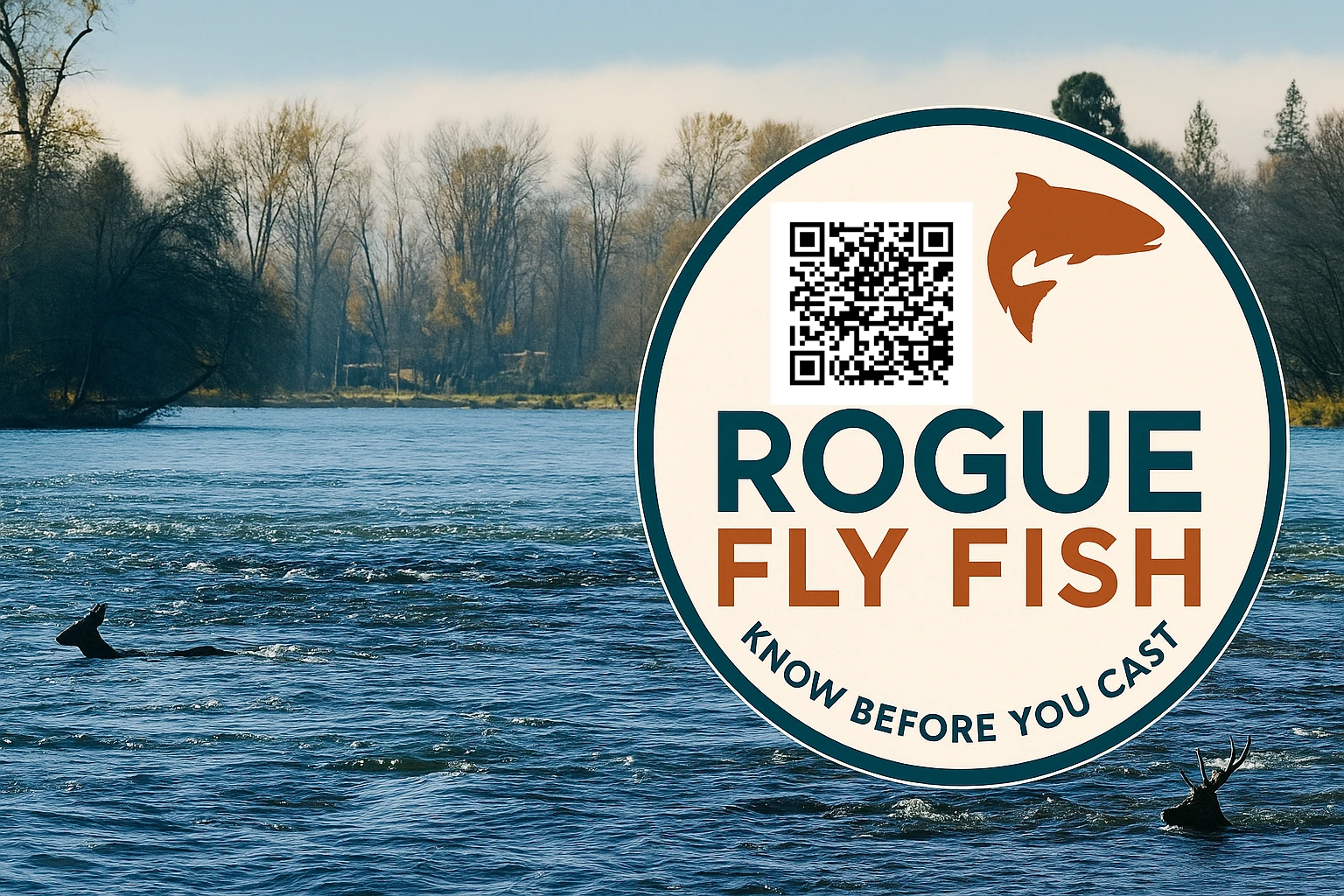

The Rogue River, flowing through the picturesque landscapes of Southern Oregon, is renowned for its stunning scenery and rich biodiversity. This river is not only a recreational haven for outdoor enthusiasts but also a crucial habitat for various species of salmon and steelhead. Among the five species of salmon that inhabit its waters—Chinook, Coho, Sockeye, Pink, and Chum—the Chinook salmon is particularly noteworthy as it is the largest and most sought-after by anglers. The river's unique ecological conditions, including its varied flow patterns and temperature gradients, provide ideal spawning grounds for these fish, making it a vital component of the local ecosystem.
Historically, the Rogue River has played a significant role in the culture and livelihood of the Indigenous tribes in the region, such as the Shasta and the Takelma. These communities relied on the river's abundant fish populations for sustenance and incorporated salmon into their cultural practices and traditions. The river's importance to local tribes underscores the deep connection between the land and its inhabitants, which continues to this day as conservation efforts strive to maintain the ecological balance of the river.
However, the Rogue River has faced numerous challenges over the years, particularly due to the construction of dams that have disrupted the natural flow and migration patterns of salmon. Dams like the Gold Ray Dam, which was removed in 2010, have historically posed significant barriers to fish passage, leading to declines in salmon populations. The removal of such structures is part of ongoing efforts to restore the river's health and ensure that salmon can thrive once more. Restoration projects, coupled with community awareness and advocacy, are essential in preserving this vital waterway for future generations.
In addition to its ecological significance, the Rogue River is a popular destination for recreational activities, including fishing, white-water rafting, and hiking. The river's scenic beauty attracts thousands of visitors each year, contributing to the local economy and promoting conservation efforts. Anglers flock to its waters in search of the elusive steelhead, a prized catch known for its fighting spirit and acrobatic displays. The annual steelhead run is a highlight for many, drawing anglers from across the country to experience the thrill of fishing in one of the most beautiful settings in the Pacific Northwest.
As we look to the future, the Rogue River stands as a testament to the resilience of nature and the importance of sustainable practices. Ongoing conservation initiatives aim to protect the river's habitat, enhance fish passage, and restore the health of salmon populations. By fostering a deeper understanding of the river's ecology and history, we can ensure that the Rogue River remains a thriving ecosystem for generations to come, continuing to support both wildlife and the communities that depend on it.