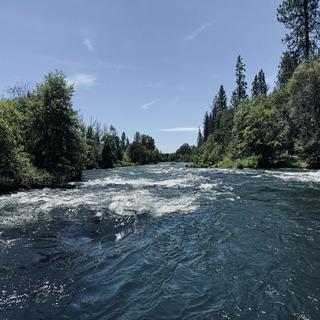
The Rogue River, flowing through the stunning landscapes of Southern Oregon, is renowned for its rich biodiversity and vibrant salmon populations. It is one of the few rivers in the United States where all five species of Pacific salmon—Chinook, Coho, Sockeye, Pink, and Chum—can be found. These fish are not only integral to the river's ecology but also play a vital role in the cultural and economic fabric of the region, supporting commercial fishing and recreational activities alike.
Historically, the Rogue River has been a significant waterway for Native American tribes, particularly the Shasta and the Takelma, who relied on the salmon runs for sustenance and cultural practices. The river's importance only grew with the arrival of European settlers in the 19th century, leading to the establishment of towns and industries that thrived on the natural resources of the area. However, the construction of dams in the mid-20th century, such as the Gold Ray Dam, disrupted the natural flow of the river and the migratory patterns of salmon, leading to significant ecological challenges.
Efforts to restore the Rogue River and its salmon populations have gained momentum in recent years. Environmental organizations and local governments have been working together to remove obsolete dams and restore natural habitats. These restoration projects aim to improve water quality and provide better access for salmon to their spawning grounds, which is crucial for the recovery of these species. The ongoing commitment to ecological restoration reflects a growing awareness of the importance of preserving the Rogue River's health for future generations.
Beyond its ecological significance, the Rogue River is also a popular destination for outdoor enthusiasts. With its breathtaking scenery, the river offers opportunities for white-water rafting, fishing, and hiking along its banks. The annual salmon run attracts anglers from all over, eager to catch a glimpse of these magnificent fish as they navigate the river's rapids. This blend of recreation and conservation highlights the need for sustainable practices to ensure that the Rogue River remains a thriving habitat for salmon and a cherished resource for the community.
In conclusion, the Rogue River stands as a testament to the intricate relationship between nature and humanity. As we continue to address the challenges posed by urban development and climate change, the efforts to protect and restore this vital ecosystem are more important than ever. The future of the Rogue River and its salmon populations depends on our collective commitment to preserving this irreplaceable natural treasure.