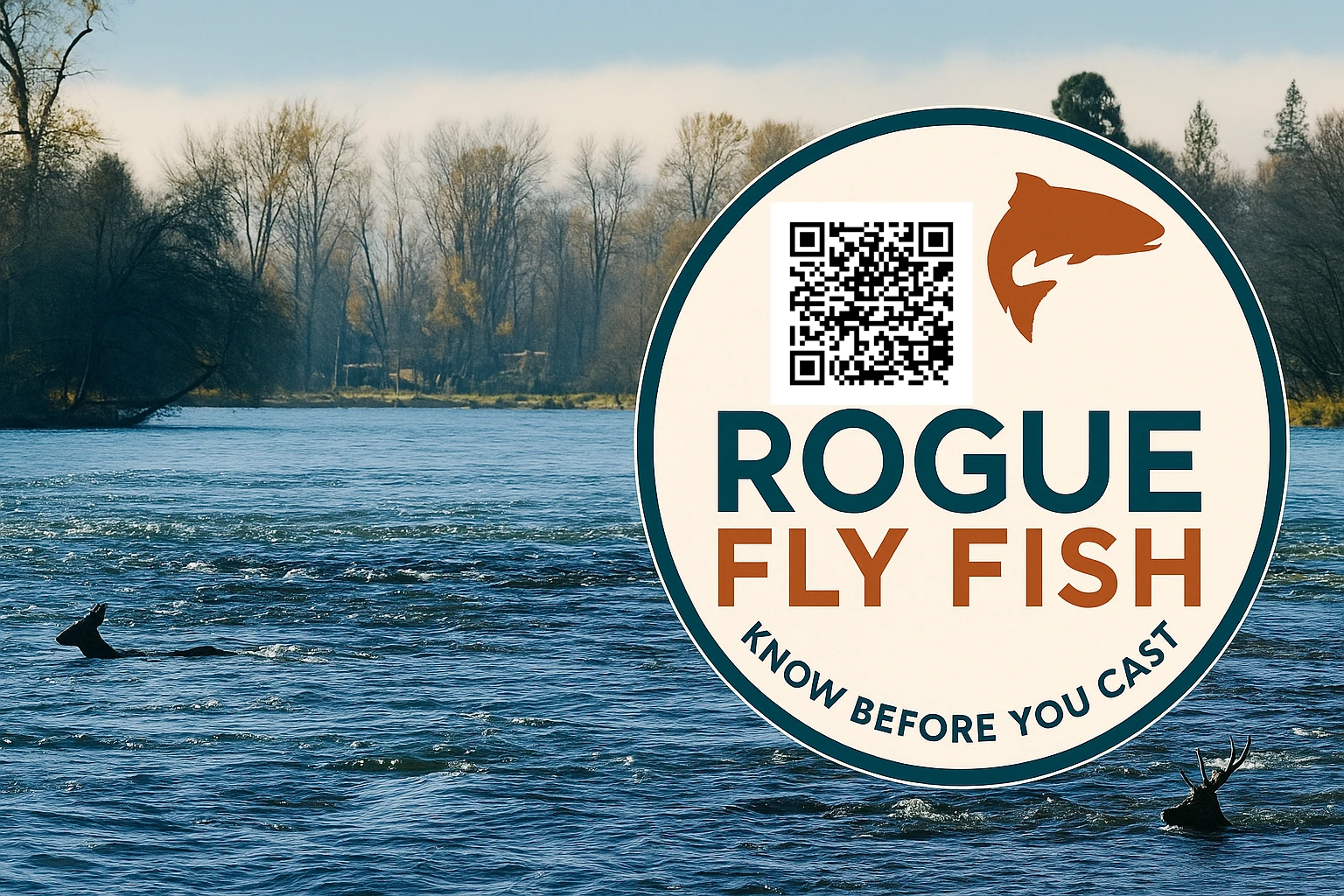

The Rogue River, flowing through Southern Oregon, is renowned for its stunning scenery and rich biodiversity, particularly its populations of salmon and steelhead. This river is one of the few in the United States that supports all five species of Pacific salmon: Chinook, Coho, Sockeye, Pink, and Chum, alongside the native steelhead. These fish are not only crucial to the local ecology but also hold significant cultural and economic importance for the communities that have thrived along its banks for generations.
Historically, the Rogue River has been a vital resource for Native American tribes, who relied on its fish for sustenance and cultural practices. The river's salmon runs were so plentiful that they formed a cornerstone of the local economy long before European settlers arrived. However, the construction of dams in the mid-20th century dramatically altered the river's ecosystem, impacting salmon migration patterns and reducing their populations. Efforts to mitigate these impacts have become a focal point for conservationists and local governments.
In recent years, significant restoration projects have been initiated to improve fish passage and habitat quality, including the removal of certain dams that block salmon migration routes. These efforts have shown promising results, as salmon populations are gradually rebounding, and the river's health is improving. The Rogue River now serves as a model for sustainable river management and ecological restoration, demonstrating the balance between human needs and environmental stewardship.
Moreover, the Rogue River is not only a sanctuary for fish but also a popular destination for outdoor enthusiasts. It offers opportunities for whitewater rafting, fishing, and hiking, drawing thousands of visitors each year. The river's scenic beauty, characterized by rugged canyons and lush forests, enhances its appeal, making it a cherished natural resource in Southern Oregon.
As we look to the future, the ongoing commitment to preserving the Rogue River's ecological integrity remains crucial. The success of the salmon runs is a testament to the resilience of nature and the importance of community efforts in conservation. By fostering a deeper understanding of this river's ecology, we can ensure that future generations will also have the opportunity to experience the beauty and bounty of the Rogue River.