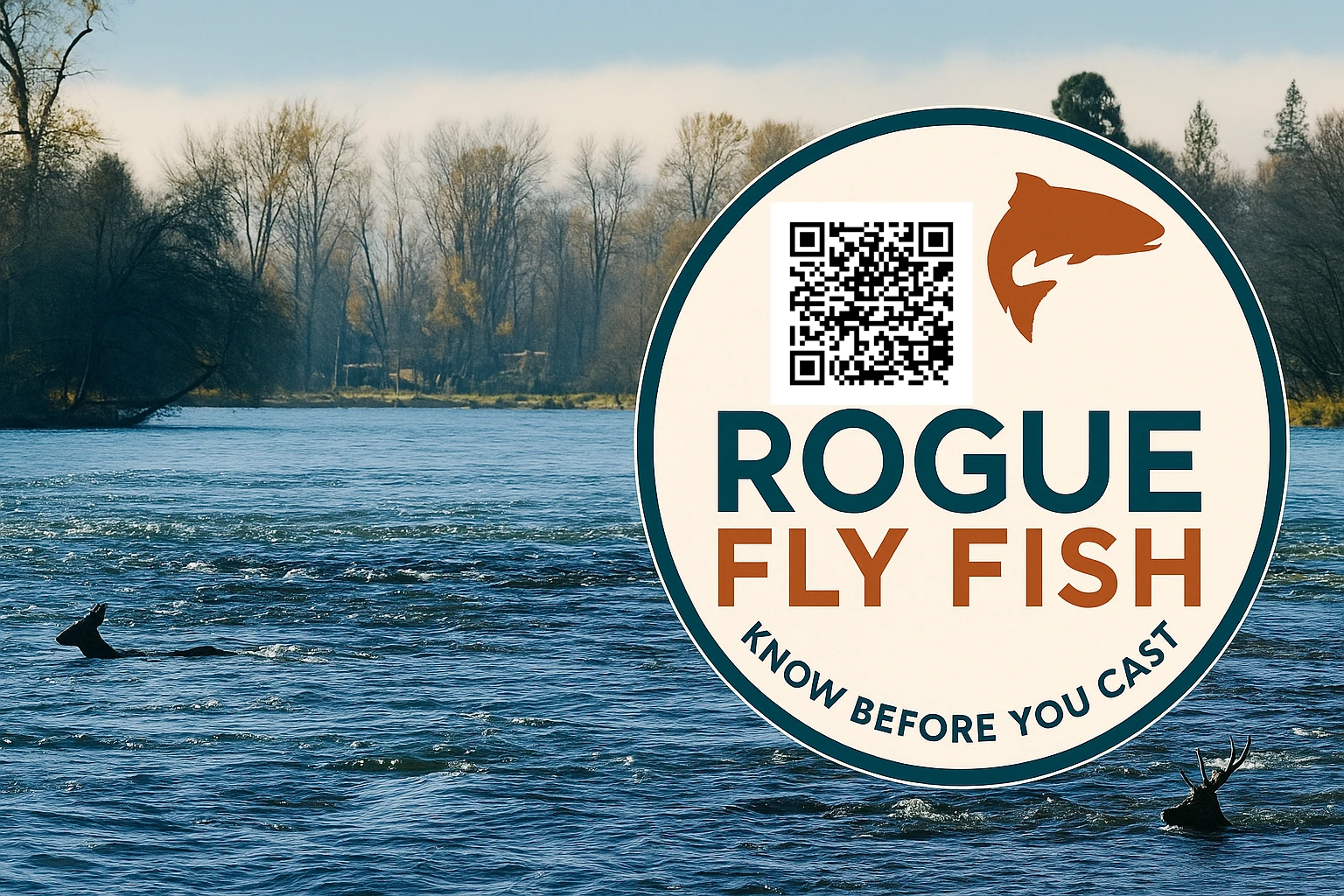

The Rogue River, stretching over 200 miles through Southern Oregon, is renowned for its stunning landscapes and vital ecological role, particularly as a habitat for salmon and steelhead. This river is one of the last major waterways in the Pacific Northwest that still supports wild populations of these fish, making it a critical area for conservation efforts. The river's unique geology and hydrology create diverse habitats that are essential for the life cycles of these species, allowing them to thrive despite the various challenges they face.
Historically, the Rogue River has been a significant waterway for Native American tribes, who relied on its abundant fish populations for sustenance. Salmon and steelhead were integral to their culture and way of life, and traditional fishing practices have been passed down through generations. However, the introduction of dams and other human activities over the last century has disrupted these natural ecosystems, leading to a decline in fish populations and altering the river's flow.
Efforts to restore the Rogue River's ecology have gained momentum in recent years, with initiatives aimed at removing outdated dams and improving fish passage. The removal of the Gold Ray Dam in 2010, for example, has opened up over 150 miles of upstream habitat for salmon and steelhead, allowing them to access spawning grounds that had been blocked for decades. These restoration projects not only benefit the fish but also enhance the overall health of the river ecosystem, promoting biodiversity and resilience against climate change.
In addition to its ecological importance, the Rogue River is a popular destination for recreational activities such as fishing, white-water rafting, and hiking. Anglers flock to its waters to catch both salmon and steelhead, particularly during the fall and winter months when these species migrate upstream to spawn. The river's stunning scenery, from towering trees to dramatic canyons, adds to its allure, attracting visitors from all over the country who seek to experience its natural beauty and rich history.
As the Rogue River continues to be a focal point for ecological restoration and recreational enjoyment, it serves as a reminder of the delicate balance between human activity and nature. Protecting this vital waterway is crucial not only for the fish that depend on it but also for the local communities that cherish its resources and the cultural heritage tied to its waters. The ongoing efforts to restore and preserve the Rogue River highlight the importance of sustainable practices and the need for a collective commitment to safeguarding our natural environments for future generations.