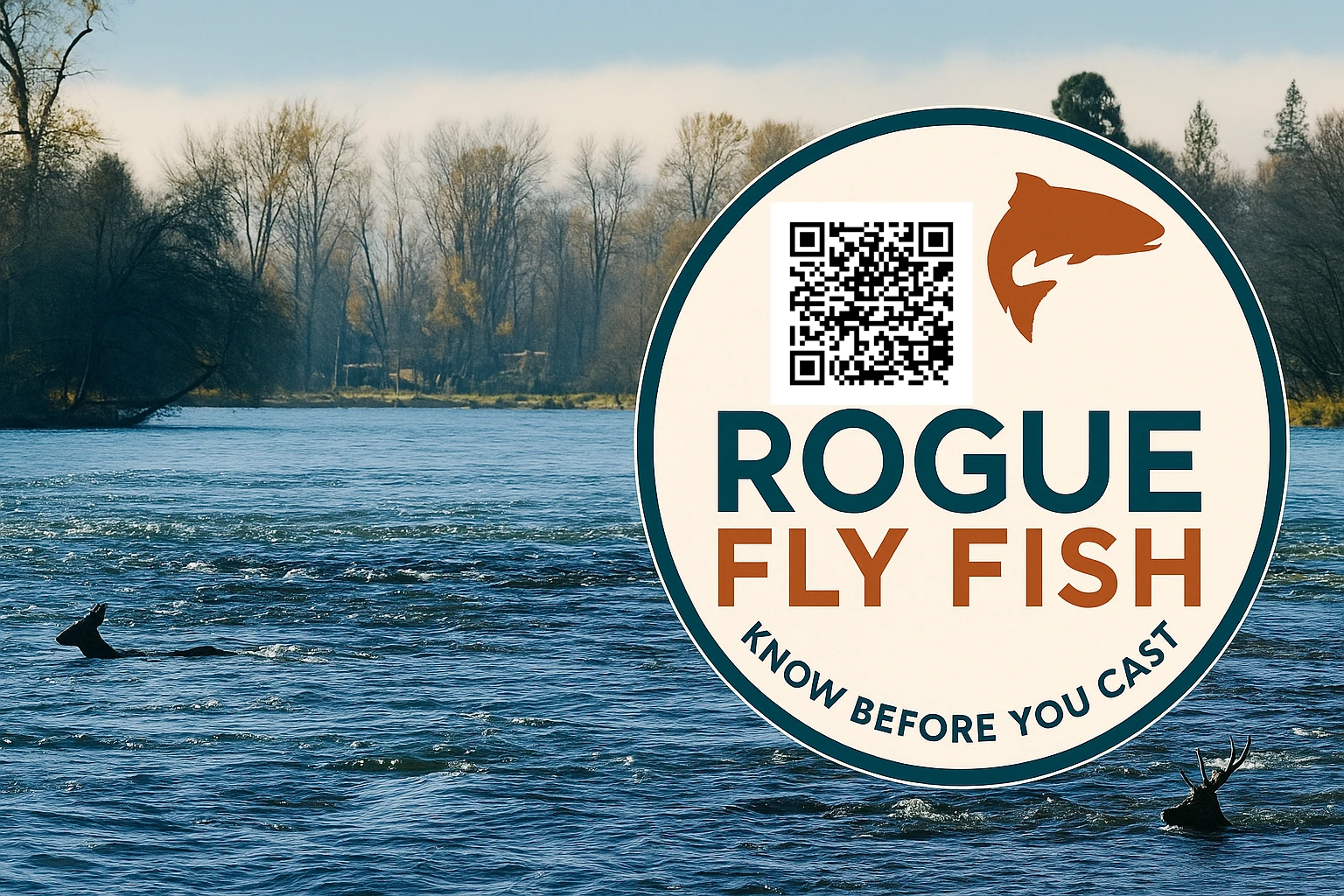
The Rogue River, winding through the lush landscape of Southern Oregon, serves as a critical natural corridor for salmon migration. Each year, thousands of salmon make the arduous journey upstream to their spawning grounds. This migration is not just a fascinating natural phenomenon; it plays a vital role in the local ecosystem, supporting not only the salmon themselves but also a myriad of wildlife dependent on them for sustenance.
The four main species of salmon found in the Rogue River—Chinook, Coho, chum, and steelhead—each have unique migration patterns and life cycles. For instance, Chinook salmon, which are known for their impressive size and strength, can travel over 700 miles from the Pacific Ocean to their spawning grounds near the river's headwaters. Steelhead, a sea-run rainbow trout, exhibit a similar migratory pattern, navigating through a range of habitats and facing various challenges, including natural barriers and human interference through damming and water management.
This journey is not only a test of endurance for the salmon but also a testament to their evolutionary adaptations. The fish exhibit remarkable navigation abilities, leveraging environmental cues such as the Earth’s magnetic field and olfactory markers from their natal streams. This complex behavior ensures that generations of salmon return to the same locations where their predecessors spawned, a natural cycle that has continued for thousands of years.
The Rogue River is also vital to the local economy, with fishing enthusiasts flocking to its banks for sport fishing, which has become an integral aspect of Southern Oregon's culture. The health of the salmon population directly impacts local wildlife, including bears, eagles, and ospreys that feed on the fish during their migration. Interestingly, the abundance of salmon also fosters a rich ecosystem along the riverbanks, as decaying salmon carcasses provide essential nutrients to both terrestrial and aquatic plant life, thus perpetuating a cycle of growth and sustenance within the habitat.
Conservation efforts are crucial to preserving the Rogue River’s salmon populations and their migratory paths. Challenges such as habitat degradation, pollution, and climate change pose significant threats to these species. Organizations and local governments are actively working to enhance river habitats, improve water quality, and ensure that future generations can witness this incredible natural spectacle. This concerted effort underscores the importance of balance between recreational fishing, ecological sustainability, and the preservation of a critical cultural heritage that defines Southern Oregon.