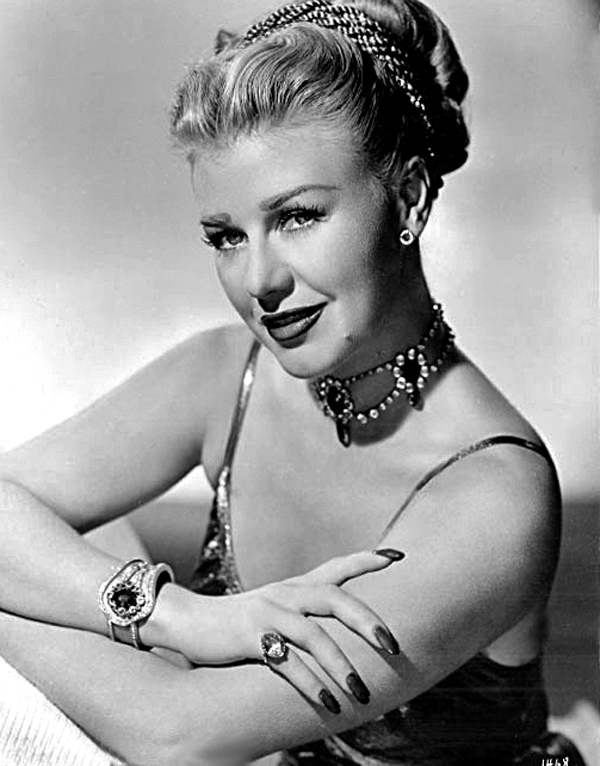
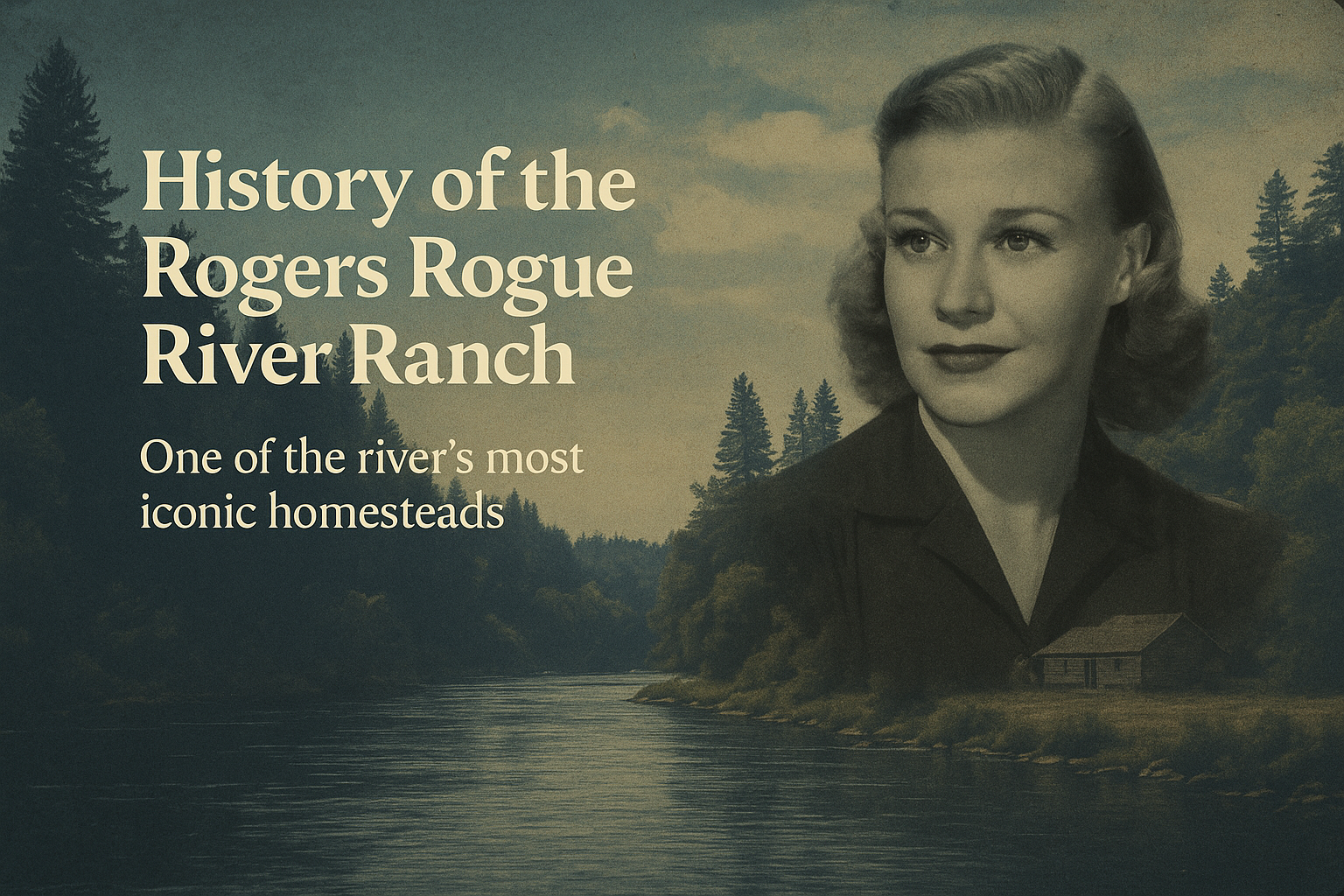
Feature artwork created for Rogue Fly Fish — Ginger Rogers & the Rogue River Ranch.
Before she became a Hollywood legend—before the Oscars, before the famous dances with Fred Astaire— Ginger Rogers fell in love with a river. Not a glamorous European canal or a coastal retreat, but the Rogue River of Southern Oregon.
Hidden in the quiet pines near Trail and Shady Cove, the ranch she purchased became one of the best-kept secrets in Hollywood—a working homestead, not a publicity piece—and a place where Rogers could disappear into simple routines, fresh air, and the sound of moving water.
The Beginning: Why the Rogue?
Ginger Rogers first visited Southern Oregon in the late 1930s at the height of her fame. Describing Oregon as “a place where my mind clears,” she returned often. The river, the isolation, and the relaxed rural culture created a retreat far from the expectations of Hollywood.
She eventually purchased a rural property near Shady Cove and Trail. Though often called the Rogers Rogue River Ranch, this was an informal name used by locals; the ranch was originally part of a larger homestead tract owned by early Upper Rogue pioneer families.
The land consisted of pasture, timberline, a river meadow, and several small existing structures. Rogers expanded and improved the property over time, gradually transforming it into a working ranch.
Lela Rogers: The Woman Behind the Ranch
While history books remember Ginger as the star, it was her mother, Lela Emogene Rogers, who shaped the daily life, structure, and spirit of the Rogue River Ranch.
Lela was far more than a caretaker. She was a writer, journalist, political strategist, dramatist, public speaking instructor, and a powerful civic voice. Before relocating to Oregon, she worked in radio, helped train military film directors during WWII, and contributed to early Hollywood screenwriting circles.
On the Rogue River, she became:
- The ranch manager — overseeing operations, staff, and property expansion.
- A public figure — active in Jackson County civic groups and women’s organizations.
- A mentor — hosting young artists, writers, and musicians who visited the ranch.
- A community ally — contributing to local fundraisers and cultural events.
"If you dealt with the ranch, you talked to Lela."
A Working Ranch — Not a Hollywood Getaway
The Rogers Ranch was a functioning rural property, including:
- Horses and pastureland
- Crop fields and irrigated meadow
- A lodge-style main home
- Guest cabins and outbuildings
- Direct access to the Rogue River
Ginger used the ranch not only for rest, but for creative work. She memorized scripts on long walks by the river, rehearsed blocking and emotional beats in the barn, and reviewed film notes in the quiet of the porch.
“Oregon clears her mind. She returns sharper.”
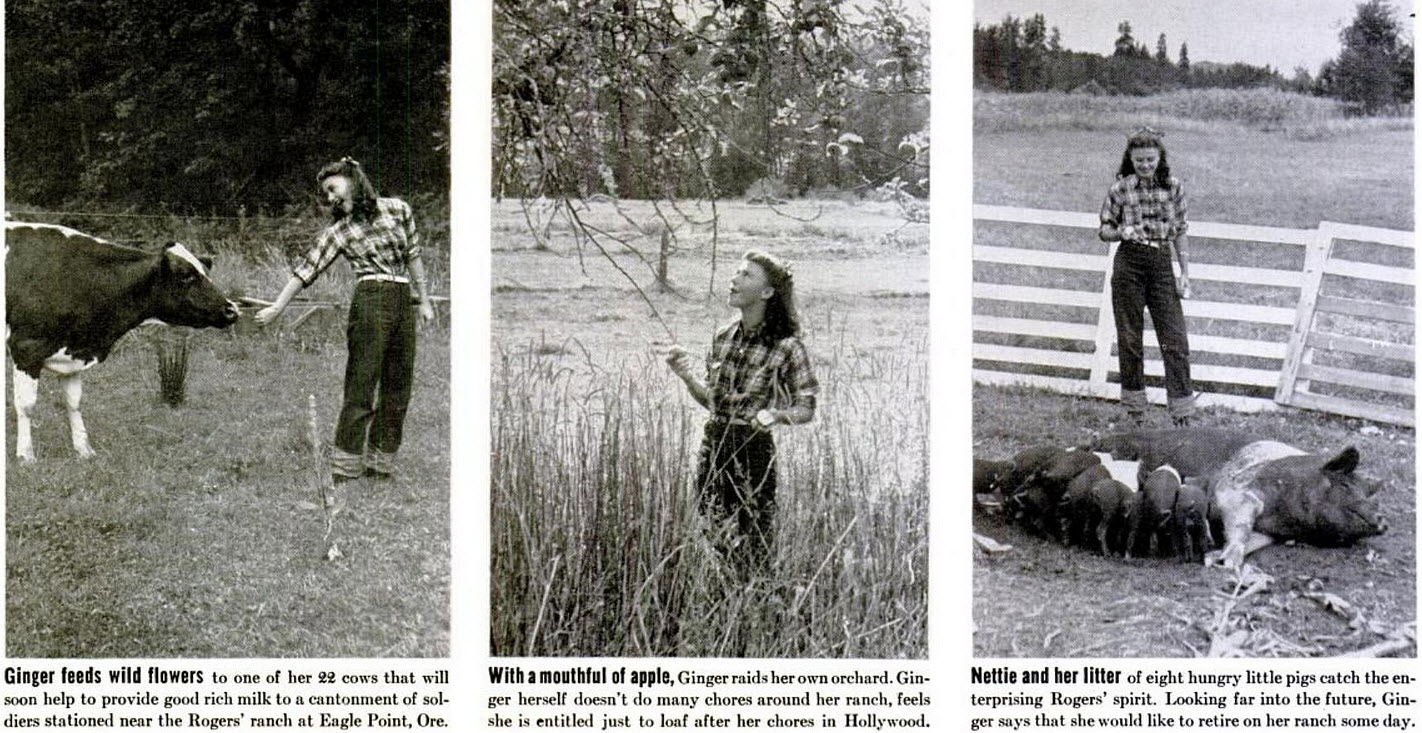
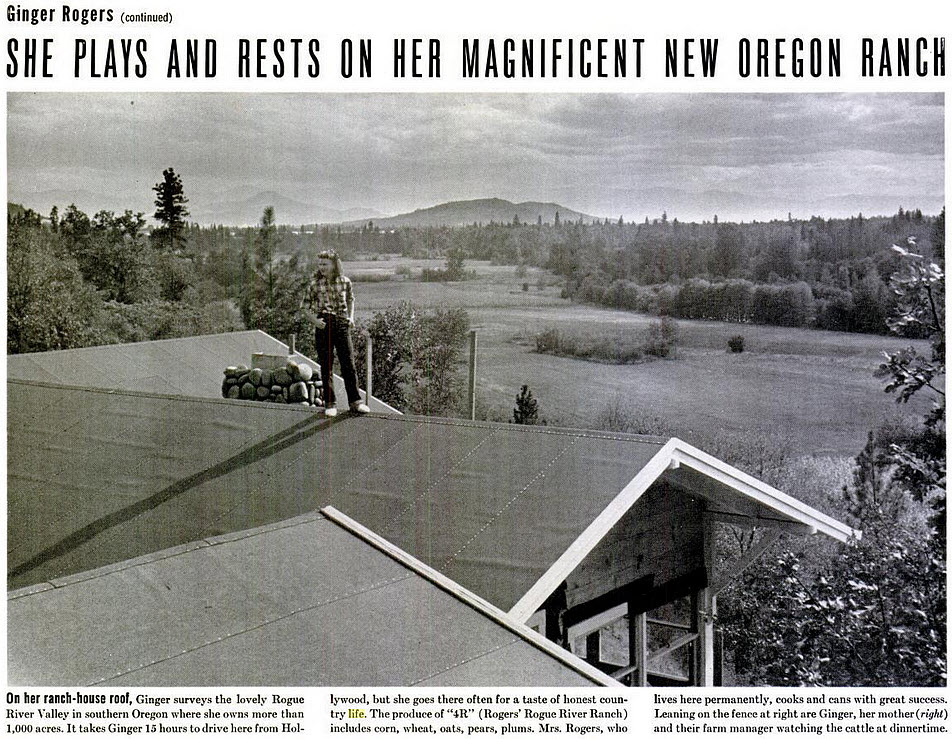
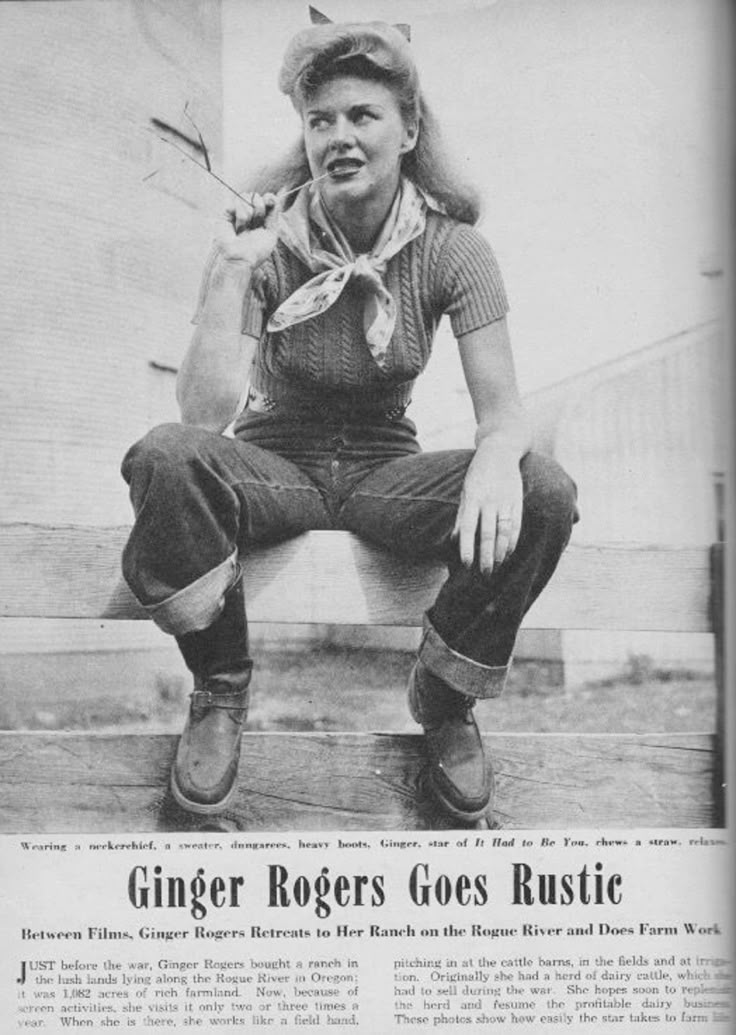
The LIFE Magazine Feature
In the 1940s, Ginger Rogers’ ranch was featured in a multi-page LIFE Magazine pictorial, showing her working, relaxing, and riding horseback on the Oregon property.
- Her connection to the rural lifestyle
- The peaceful scenery of the Rogue Valley
- Her desire for normalcy away from celebrity
The photos from that spread helped shape Oregon’s national image as a haven for artists and public figures seeking quiet.
Local Sightings & Community Presence
Many longtime residents recall seeing Ginger Rogers in Medford, Central Point, and the Upper Rogue region. Accounts describe her as gracious, polite, and modest—someone who blended easily into rural Oregon life.
- Browsing local shops and feed stores
- Attending community dances and charity events
- Buying ranch supplies in Medford
- Chatting casually with locals without pretense
Rumored Visitors — and One Persists
Over the decades, colorful stories have surfaced about Hollywood stars visiting the ranch. Most cannot be confirmed, but one rumor stands apart: Fred Astaire may have visited the ranch once.
Two unrelated oral histories place him in Medford the same weekend Ginger was home. Not proven—yet compelling.
Later Years & Property Evolution
By the early 1960s, Ginger’s life shifted toward touring theater, a home in Medford, and eventually California. Locals insist she still visited sporadically into the 1970s.
When the ranch was sold, the land was subdivided back into earlier homestead shapes. Much of the river frontage remained undeveloped, preserving the landscape Rogers loved.
The Riverside Platform
Several oral histories recall a small wooden platform near the riverbank—used for reading, relaxing, and watching the water. Later owners reportedly removed it, but the memory remains vivid.
What the Ranch Is Like Today
The ranch area today remains:
- Privately owned, divided among several parcels
- Rural and quiet, near Shady Cove & Trail
- Home to the remodeled original lodge
- Defined by natural river frontage much like Rogers knew
10 Forgotten Facts About the Rogers Rogue River Ranch
- Ginger’s ranch began as multiple pioneer homestead parcels she consolidated.
- A large LIFE Magazine spread once showcased her ranch life.
- Fred Astaire may have visited—rumored independently by several locals.
- Ginger rehearsed film roles on the meadow, barn, and riverbank.
- The ranch once had a small wooden dock/platform near the river.
- Lela Rogers wielded major influence in Jackson County civic life.
- The ranch likely had an informal internal name—but never official signage.
- Ginger shopped casually in Medford markets and feed stores.
- The subdivision of the ranch influenced later rural land patterns.
- Private family albums in the Upper Rogue still contain unseen ranch photos.
Historic Photo Gallery